Economic Surge vs. Poverty Struggles: The Egyptian Dilemma
Despite the economic upswing, Egypt's rural poverty highlights the uneven benefits, opening a gap in the country's path to stability.

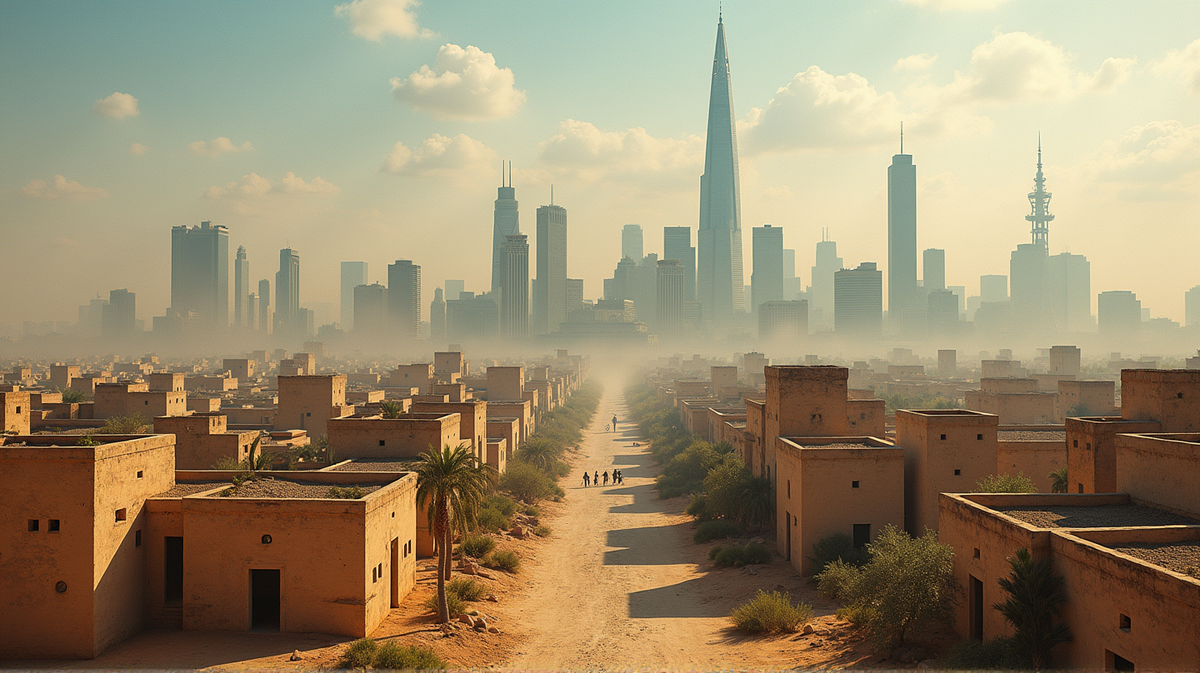
Egypt’s recent economic stabilization marks a hopeful turn towards prosperity—yet a shadow lingers, as rural poverty challenges the nation’s path to inclusive recovery. While significant capital injections and high-profile investments have boosted the economy, the fruit of these efforts remains unevenly distributed across the nation. According to Al Jazeera, Egypt experiences a tale of two worlds, where urban sectors thrive amid rural struggles.
Economic Revival Amidst Political Quiet
In a year when Egypt graced the headlines with grand international events, its domestic political scene remains curiously somber. Parliamentary elections drew scant attention from everyday Egyptians, revealing a populace largely disengaged with the political process. Critics argue that the elections mirrored longstanding restrictions, highlighting President Abdel Fattah el-Sisi’s firm grip on power.
The Impact of Financial Infusions
The wheels of Egypt’s economic engine ran smoother foreseeing a period of stark economic crisis. Thanks to the instrumental financial aid from international bodies like the IMF, coupled with vast promises from Gulf nations, Egypt’s economy now shows signs of life. Financial stability has returned, captured in upbeat GDP forecasts and an increase in industrial production.
Yet, the prosperity touted by statistics fails to translate into tangible improvements for all Egyptians. Even as corporations enjoy newfound stability, many citizens continue to face economic inequities, creating a stark divide between the urban elite and the struggling rural majority.
Unyielding Hardship in Rural Regions
In Egypt’s picturesque rural areas, prosperity seems a distant dream. Here, families grapple daily with the exacerbating cost of living fueled by widespread subsidy cuts. Farmers, especially, struggle as reforms that promised modernization leave many abandoned, far from the glittering commerce centered in Cairo. The lack of subsidies makes essential commodities like fuel and food increasingly unaffordable, underscoring the crisis that prevails beneath Egypt’s economic recovery narrative.
A Burgeoning Yet Uneven Triumph
While Cairo sparkles with newly minted projects and an uplifted business mood, rural areas remain bogged down. Industrial expansion, foreign investments, and urban development do little to alleviate the economic disparities starkly present across Egypt. According to some experts, while loans and investments resolved certain macroeconomic symptoms, deeply rooted structural issues persist.
The future calls for reforms beyond simple capital infusions. Only by bridging the economic gap and ensuring an equitable distribution of resources, will all Egyptians reap the benefits of their nation’s economic resurgence. Otherwise, prosperity remains a distant echo for many, as the urban-rural dichotomy deepens.
A Call for Inclusivity
For Egypt, the road to prosperity is not just about GDP growth but ensuring that growth reaches all its citizens. The world watches Egypt not only for its economic resilience but also for its commitment to holistic improvement encompassing all societal sectors. As the nation stands at a crossroads, the potential for progress hinges on addressing entrenched inequalities and fostering a truly inclusive economy that uplifts every Egyptian, regardless of their locale.