From Urban Enclaves to Suburban Streets: The Catholic Migration
Discover how the move to suburbs reshaped Catholic community dynamics, challenging faith, culture, and politics in America.

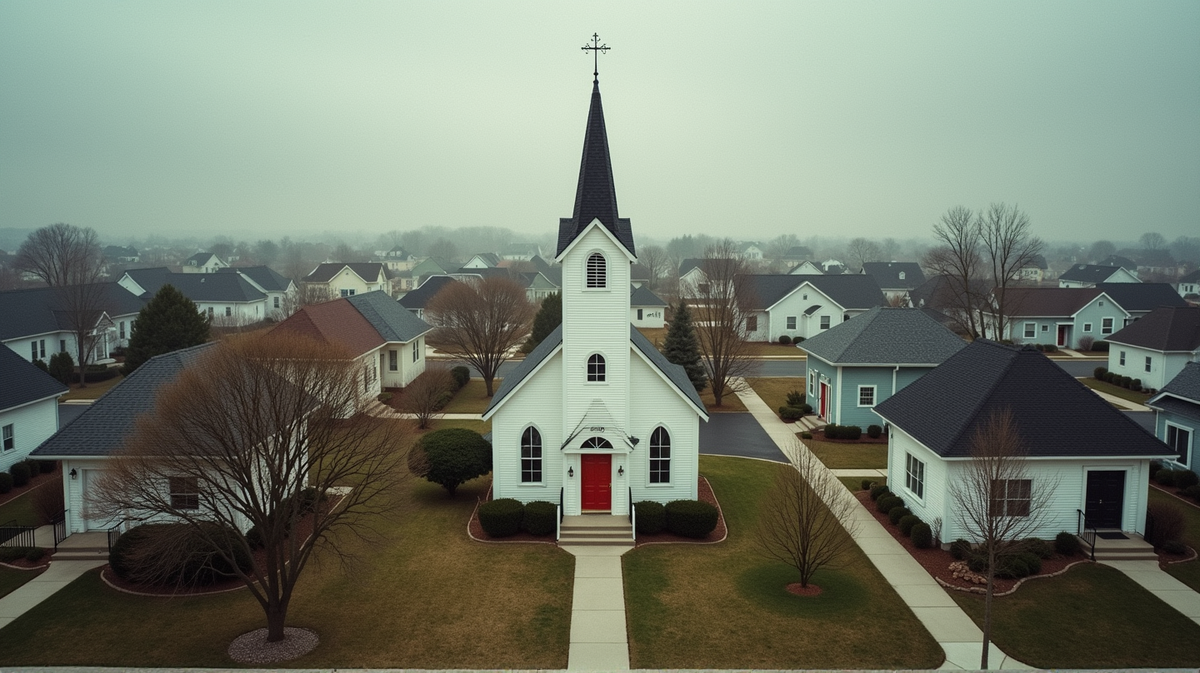
Suburbia has long been celebrated as a realm of serenity and modernity, but who would have thought that its landscape would fundamentally reshape a cornerstone of American life—Catholicism? In “Crabgrass Catholicism: How Suburbanization Transformed Faith and Politics in Postwar America,” Stephen M. Koeth delves into the tectonic shifts that arose as Catholics migrated en masse from tightly-knit urban neighborhoods to sprawling suburban vistas.
The Ideological Exodus
As American Catholics flocked to suburbia, they did more than just change addresses; they initiated a paradigm shift in political and religious life. Gone were the days of community-driven, grassroots initiatives where clergy and laity collaborated on palpable social issues. Instead, there emerged a stronger focus on individualistic, ideological debates—often leaving behind the tangible concerns of daily suburban life.
Dissolving the Community Fabric
Urban enclaves thrived on direct human interaction, shaping communities that often worked together across ethnic and political lines to solve pressing issues. This collaborative culture was epitomized by the Catholic Action movement’s “observe, judge, act” model. Yet, as Stephen G. Adubato reflects on the contents of Koeth’s work, suburbia encouraged an atomization of community efforts, channeling energies into moral debates and detaching from the daily labor of group cohesion.
The Rise of Symbolic Capitalism
Sociologist Musa al-Gharbi aptly describes this transformation as dominated by “symbolic capitalism,” where ideas, rhetoric, and ideological battles eclipse material reality. American Catholicism sees its faithful torn between supporting anti-capitalist rhetoric from one side and endorsing libertarian economic policies from the other, all while neglecting the crucial neighborhood groundwork that once defined Catholic political action.
Toward a New Consciousness
Koeth’s research illuminates the loss of cultural heritage and collective spirit as Catholics suburbanized, highlighting how these shifts unhinged the dichotomy between public and private life. The practical, tangible issues that once united communities take a backseat, tangled in culture wars that color today’s polarized society—ideologies supplant real-world engagement.
The Cultural Vacuum
Suburbia, once a promise of tranquility and progress, now isolates its residents from the camaraderie of urban life. Adubato’s reflections catch a glimpse of regret for this lost spirit of neighborliness and tangible communal responsibility—a sentiment echoed by his grandfather, a revered New Jersey community organizer.
Bridging Urban and Suburban Divides
Is there a way back from suburbia’s isolating grasp? Koeth argues for reclaiming our religious experiences and reshaping interactions that transcend ideological confrontations. By focusing on hyper-local, grassroots coalition-building, Catholics might rekindle the alliances culture wars have threatened to extinguish.
While the shift to suburbia promised an idyllic life, its silent toll on faith, culture, and community cohesion reveals a complex story that beckons a return to grounded, communal living—one that cherishes reality over abstraction.
According to First Things, the interplay of these social dynamics continues to influence the cultural fabric of many religious communities today.