The Surprising Shift in Trump's 2024 Coalition
Trump's coalition unravels as traditional Democratic voters return, prompting a potential blue wave in 2026.

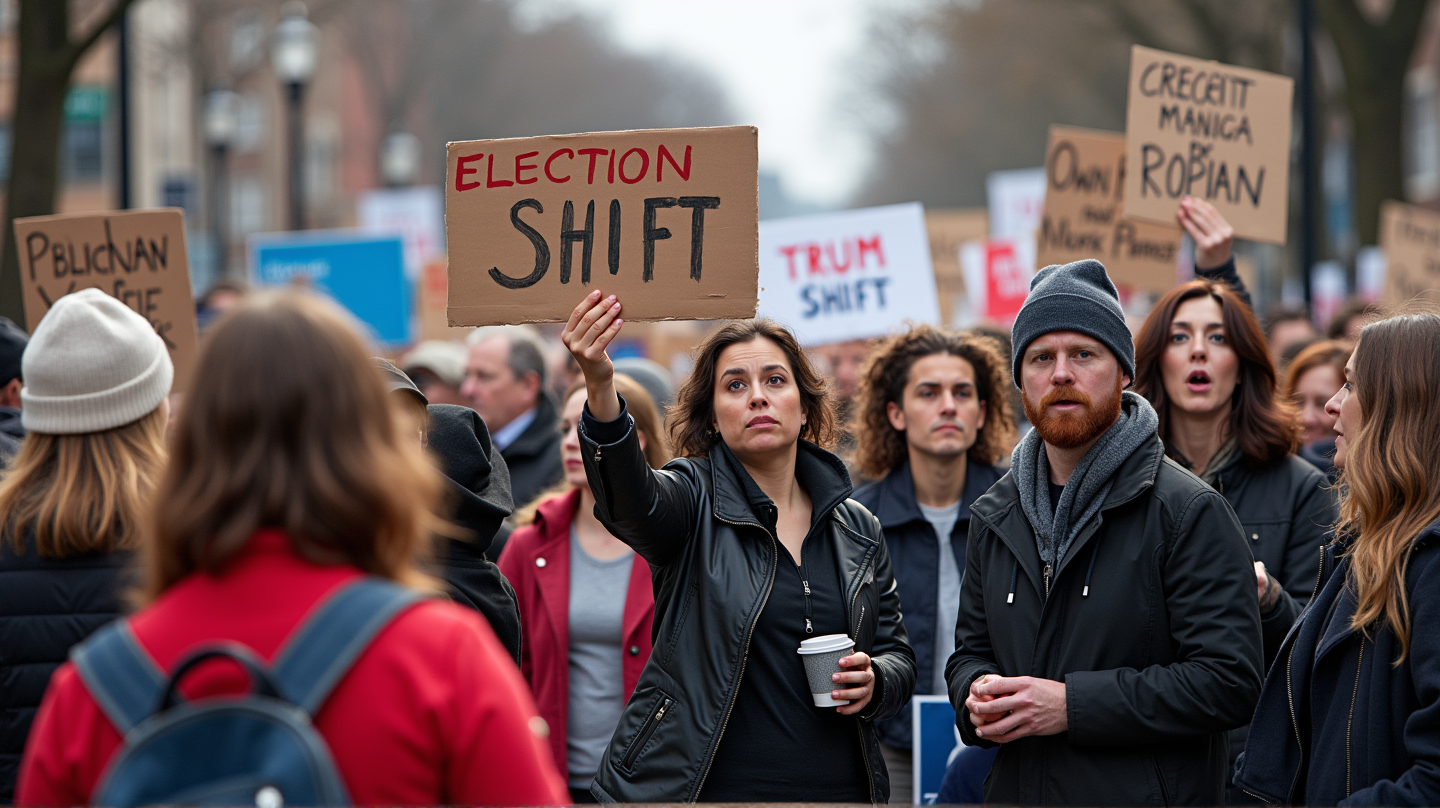
The Political Pendulum Swings Back
In a turn of events few saw coming, Donald Trump’s once resounding new-age coalition appears to be losing its momentum as the 2024 political landscape unfolds. This unexpected unraveling is sending ripples through both major parties, challenging previously held notions about the future of American politics.
A Crumbled Dynasty
Last year, Trump’s charismatic outreach seemed to fracture the Democratic base, leaving the party grappling with the loss of significant nonwhite voter support they had long championed. Trump’s narrative hinted at an imminent political realignment, drawing pundits to foresee a Democratic decline.
A Blue Wave on the Horizon
Fast forward to 2025, and the political tide is seemingly turning. Current data, as dissected by experts, indicates a potential resurgence for the Democratic Party in the upcoming 2026 elections, akin to the impactful blue wave of 2018. What’s striking, however, is not just the anticipation of a Democratic rebound, but the constituents driving it.
The Emerging Democratic Majority?
Unlike the 2018 wave led by affluent, educated suburbanites, the anticipated 2026 resurgence appears to be powered by lower-propensity and nonwhite voters returning to the Democratic fold. This reverse shift underscores a fascinating evolution within the American electorate, and it challenges perceptions of a solidified Republican alignment.
An Echo Across the Aisle
This development suggests a dynamic and unpredictable electoral landscape where traditional alliances are being re-evaluated. This news reverberates deeply across party lines, urging leaders to reconsider their strategies and outreach efforts.
The Road to 2026
As we look to the future, the evolving political coalition will likely redefine the tactical landscape for both parties. The unfolding scenario is a testament to the fluid nature of voter allegiance and the enduring challenge of predicting electoral outcomes.
As stated in The Argument | Jerusalem Demsas, the insight into this political realignment opens up discussions for a nuanced understanding of voter behavior and electoral strategies.
The political scene remains enthralling with every twist and turn, reminding us that in politics, anything is possible, and nothing is ever entirely predictable.