Trump's Fuel Economy Rollback: Boosting Cars or Backtracking Progress?
The Trump administration's controversial move to roll back fuel economy standards may shake up the automotive industry and environmental policies.

The Trump Administration has ignited a whirlwind of debate by announcing significant rollbacks on fuel economy standards for new vehicles. This decision, set against a backdrop of previous efforts toward sustainability, marks a pivotal shift in U.S. automotive policy. But why has this move stirred such controversy?
A Return to the Past?
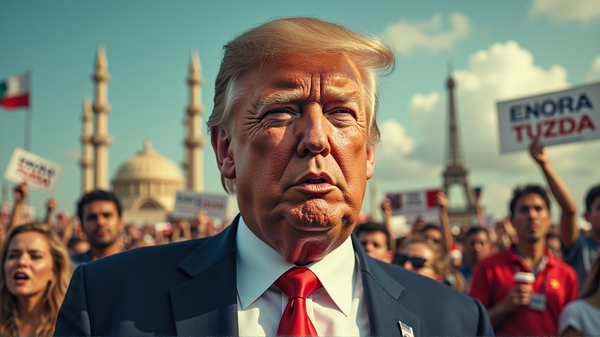
President Trump proudly proclaimed the termination of what he described as “burdensome” fuel standards set by Joe Biden. With major automotive executives present, the U.S. leader argued this change would alleviate financial restraints on automakers and consumers alike, avowing, “We’re officially terminating Joe Biden’s ridiculously burdensome, horrible, actually, CAFE standards.”
These Corporate Average Fuel Economy (CAFE) regulations commanded stricter efficiency from manufacturers, with hefty fines for non-compliance. Under this new rollback, vehicle efficiency improvements plummet from 2% annually to merely 0.5%, according to NPR.
The Industry’s Tug of War
Certain segments of the auto industry have welcomed the rollback, particularly companies heavily invested in the profitable, albeit less efficient, truck and SUV markets. Ford CEO Jim Farley lauded the administration’s departure from strict regulations, dubbing it a realignment with “market realities.”
Yet, as many commend Trump’s deregulatory stance, they also navigate an ambiguous global market bent on sustainable solutions. Chinese electric vehicles, known for their affordability and environmental performance, pose potent competition, accentuating the anxiety within U.S. automotive circles over maintaining a competitive edge.
Environmental and Economic Ripples
Critics argue that softer fuel standards could harm efforts to thwart climate change, with decreased pressure on automakers to ramp up efficiency and reduce emissions. Past studies, notably by Consumer Reports, have revealed that stringent fuel economy rules could lower long-term fuel costs, further muddying claims that savings could be passed on to consumers.
Moreover, the rollback dovetails with other Trump-era actions—peeling back EPA’s environmental rules, axing EV purchase credits, and resisting Californian zero-emission stipulations—underscoring an unmistakable pivot from green policies.
The Road Ahead
Automakers now face an oscillating regulatory landscape, complicating long-term strategic planning. As administrations see-saw between policy extremes, industry leaders like Ford’s Farley tread cautiously, planning for an accelerating shift towards electric vehicles irrespective of U.S. regulatory support.
In sum, the changes pose significant implications for environmental agendas and the economic trajectory of the U.S. automotive scene. The outcome of this rollback will undeniably ripple beyond American shores, influencing global dialogues on sustainable development and innovation. As the debate persists, the world watches to see the impact of these shifts and how American automakers will respond.