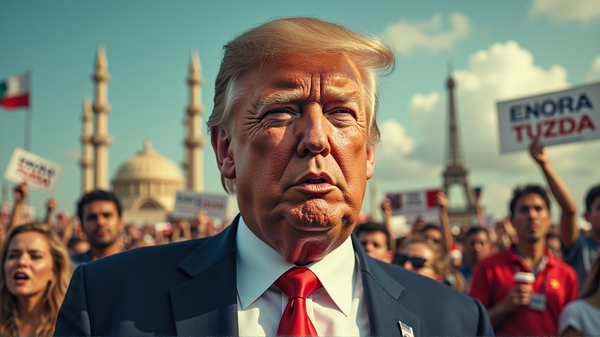
Trump's Return to 'Third World' Immigration Restrictions Sparks Global Debate
Donald Trump's immigration policy shifts by reintroducing restrictions on 'Third World' nations ignite controversy, affecting global immigration dynamics.


In a bold and contentious move, Donald Trump has recently reignited global debates by resuming immigration restrictions on specific countries termed as “Third World.” This decision echoes his prior hardline stance and has significant implications for international relations, human rights, and global immigration patterns.
Revisiting the Controversy
Trump’s policy aligns closely with his administration’s previous immigration strategies, placing security at the forefront. This pivot particularly affects developing nations, often under the umbrella of the ambiguous “Third World” label. The international community is watching keenly as Trump defends the move as a necessity for national security and economic stability, sparking fierce opposition.
The Background
During Trump’s presidency, similar restrictions generated widespread backlash as they targeted predominantly Muslim countries, facing legal challenges for allegedly discriminating based on nationality rather than genuine security concerns. Trump’s latest move further narrows the scope to developing countries, amid rising security issues and xenophobia fueled by recent incidents involving non-citizen crime.
Global Immigration Trends at Stake
The renewed focus under Trump’s policy could significantly alter global immigration trends, creating hurdles in accessing the US for nations being labeled as “Third World.”
Diplomatic Tensions
Countries affected by this policy may face diplomatic strains as immigration flow from these regions decline, impacting familial connections and labor dynamics. Trump’s strategy, seemingly aimed at rallying domestic support, leaves a trail of diplomatic uncertainties that could reawaken tense international negotiations.
Legal and Economic Ramifications
These immigration restrictions have reignited debates over their legality, constitutionality, and underlying ethical dimensions. Trump’s decision potentially violates international human rights directives and could face significant legal scrutiny both domestically and globally.
Economic Impact
Furthermore, potential economic repercussions loom over sectors heavily reliant on immigrant workforces. Agriculture, technology, and other industries could experience worker shortages, jeopardizing productivity and economic growth. As Trump’s policies take effect, there are concerns over diminished remittance flows that bolster economies in affected developing nations.
Navigating the Future
The intricacies of Trump’s immigration stance continue to unfold, posing challenges and discussions that transcend national boundaries. As international communities assess these developments, the balance between national security, economic viability, and human rights remains a delicate act.
Closing Thoughts
Trump’s decision to resume immigration restrictions poses critical questions for policymakers worldwide. While intended to prioritize national security, the broader implications underscore the complexity of global immigration and the ongoing need for thoughtful, comprehensive reform that aligns with global humanitarian principles and economic realities.
As we observe these dynamics evolve, the discourse highlights the pressing necessity for a balanced approach that addresses security without undermining the rights and contributions of immigrants worldwide.
Source Verification Required. According to Meyka, comprehensive analysis and strategic reform are key in navigating the complex terrain of immigration policy in today’s world.