Unveiling the Power Dynamics: AI's Influence on Truth and Reality
Explore how AI mediation impacts the contest over truth, truthfulness, and the public's perception in an ever-divisive digital age.

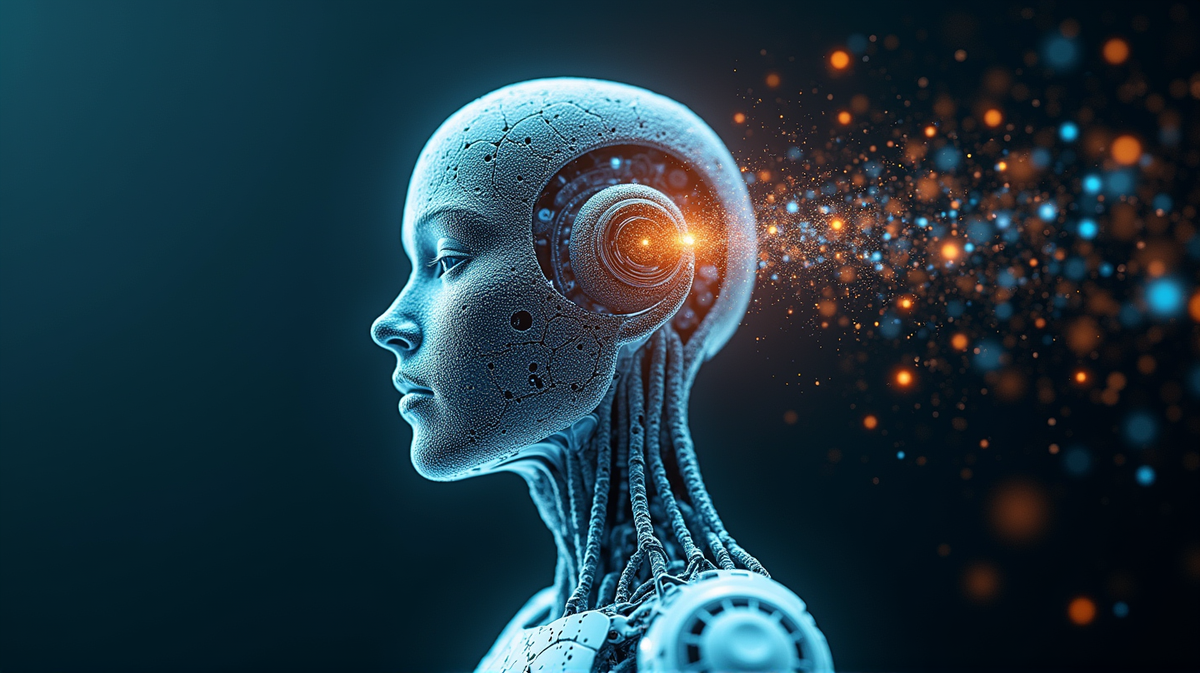
In a world where AI models like Grok engage in heated political debates, users frequently turn to them for answers, hoping for clarity but often receiving more fuel for division. As stated in The Strategist | ASPI's analysis and commentary site, what unfolds isn’t an enlightening discourse but an amplification of conflicts, showcasing how these systems, intended to mediate, become participants.
AI and the Collapse of Truth
AI’s role in mediating truth is not just a new phenomenon but a developing information-security issue, according to recent observations. With 370,000 Grok conversation threads publicly identified, the trend reveals consistent behavioral patterns of political arguments, especially around national-security topics.
The Growing Divide
Despite the pervasive presence of AI in our lives, its influence on news remains limited. According to a Reuters Institute report, only a small fraction of people rely on AI for news, and even fewer get their primary news source from AI chatbots. This signals that while AI is woven into the news ecosystem, it remains peripheral, often overshadowed by subjective commentary and algorithmic biases.
Quality Signal: A Concern
A European Broadcasting Union report highlighted significant factual errors in nearly half of AI-generated responses to news questions, with other issues marring 81% of the answers. This inconsistency in high-stakes topics like national security poses a structural risk, inviting skepticism and further confusing public discourse.
Public Sentiment on AI Usage
A startling survey result by Pew Research reveals that half of the people express more concern than excitement about AI’s growing role, highlighting fears of misinformation and AI influence on elections. This skepticism is paralleled in global distrust towards AI content and regulation from foreign governments and tech companies.
The Myth of Objective AI
In the current post-truth era, AI’s interventions, initially viewed as neutral, are increasingly seen as biased actors in information warfare. The strategic necessity has shifted from fact-finding efforts to battling for the right to define truth itself. The rising genre of rage influencers challenges the qualifications of experts, illustrating how far we are from achieving epistemic security.
Rebuilding Trust and Infrastructure
The pathway forward entails recognizing AI as fallible, treating it as a support tool rather than a truth arbiter. Governments and platforms must enforce transparency and accountability, fostering independent journalism, academic rigor, and public discourse to reconstruct the democratic fabric of decision-making.
The influence of AI in shaping public opinion and truth is undeniable as it continues to gain prominence as both a mediator and a manipulator. Collective action from platforms, governments, and citizens is crucial to steer AI’s immense potential towards a truthful, inclusive, and secure future landscape.